

When you open an accounting suspense account, the transaction is considered in suspense. This keeps uncategorized transactions separate from categorized transactions. The account temporarily holds entries while you decide how you will classify them. A suspense account can also hold information about discrepancies as you gather more data. As the accounting period closes, any lingering entries in the suspense account must be scrutinized.
During Purchasing a Fixed Asset But Not Receiving It Until Full Payment
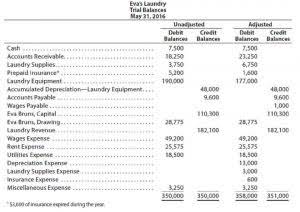
- A trial balance is the closing balance of an account that you calculate at the end of the accounting period.
- If payments don’t cover all dues or lack allocation details, they are placed in suspense until resolved.
- If the debits are larger than the credits, record the difference as a credit.
- The amount of money held in suspense account is referred to as the “suspense balance.”
- A company receives a payment paid into their bank account, but the transaction doesn’t have any reference details to be able to identify what the payment is for.
- A suspense account could also be a liability if it holds accounts payables that you don’t know how to classify.
Once the accounting staff investigates and clarifies the Interior Design Bookkeeping purpose of this type of transaction, it shifts the transaction out of the suspense account and into the correct account(s). Regardless of the issues in question, suspense accounts are cleared out once the problem is addressed, at which time the funds are promptly re-shuffled to their correctly designated accounts. At that point, the suspense account should achieve a balance of zero dollars.

Trial Balance
When the controller is available, the accountant will get clarification and will move the amount from the Suspense account to the appropriate account. The suspense account can have a debit or a credit balance, depending on which side the trial balance is short. System errors can occur what is a suspense account due to software glitches or technical malfunctions, resulting in incorrect or unintended entries in the accounting system. A suspense account helps to isolate the impact of system errors until the necessary system corrections or manual adjustments can be made.
Frequency: How Often Should Suspense Accounts be Reconciled?

Understanding how to properly use suspense accounts can help ensure your accounting practices are accurate and compliant. Imagine you deposit money into your brokerage account to buy stocks, but there’s a delay in processing your investment choice, contra asset account or there’s ambiguity about your instructions. Instead of this causing confusion or potential errors in your account, the funds are placed into a brokerage suspense account. This ensures that your money is safely held while any uncertainties are resolved.
- Partial payments that do not settle an invoice in full are placed in a suspense account until clarification is obtained.
- Businesses also use a suspense account to record transactions when there are delays between the receipt of money and the proper assignment in the ledger.
- The suspense account is situated on the general ledger and is used to temporarily store specific transaction amounts.
- If one of these conditions applies, the transaction should be directed to a suspense account.
A suspense account may be added to the trial balance when there are understated or overstated balances that cannot be corrected before the end of the reporting period. Suspense accounts are important in accounting because they allow for the continued recording of transactions that have incomplete information or discrepancies. Suspense accounts help to prevent errors in final financial statements and ensures that transactions are accurately recorded. Suspense accounts are essential tools in accounting that enable organizations to temporarily hold and investigate unresolved transactions or discrepancies. Auditors place special emphasis on suspense accounts during their audit procedures.
This balance is debited if the credit balance is larger than the debit balance. On the other hand, if the debit balance is more, then the balance is credited. The accountant will record this unclassified transaction in the general ledger suspense account to complete his assignments by the allotted time. However, after getting more information about the nature of the transaction, he will move it from the suspense account to its respective account. Typically, the loan servicer will put a partial payment in a suspense account and hold it there until a full payment is available. When you make a full monthly mortgage payment to your loan servicer, part of the payment is used to reduce the principal balance and some pays the interest.